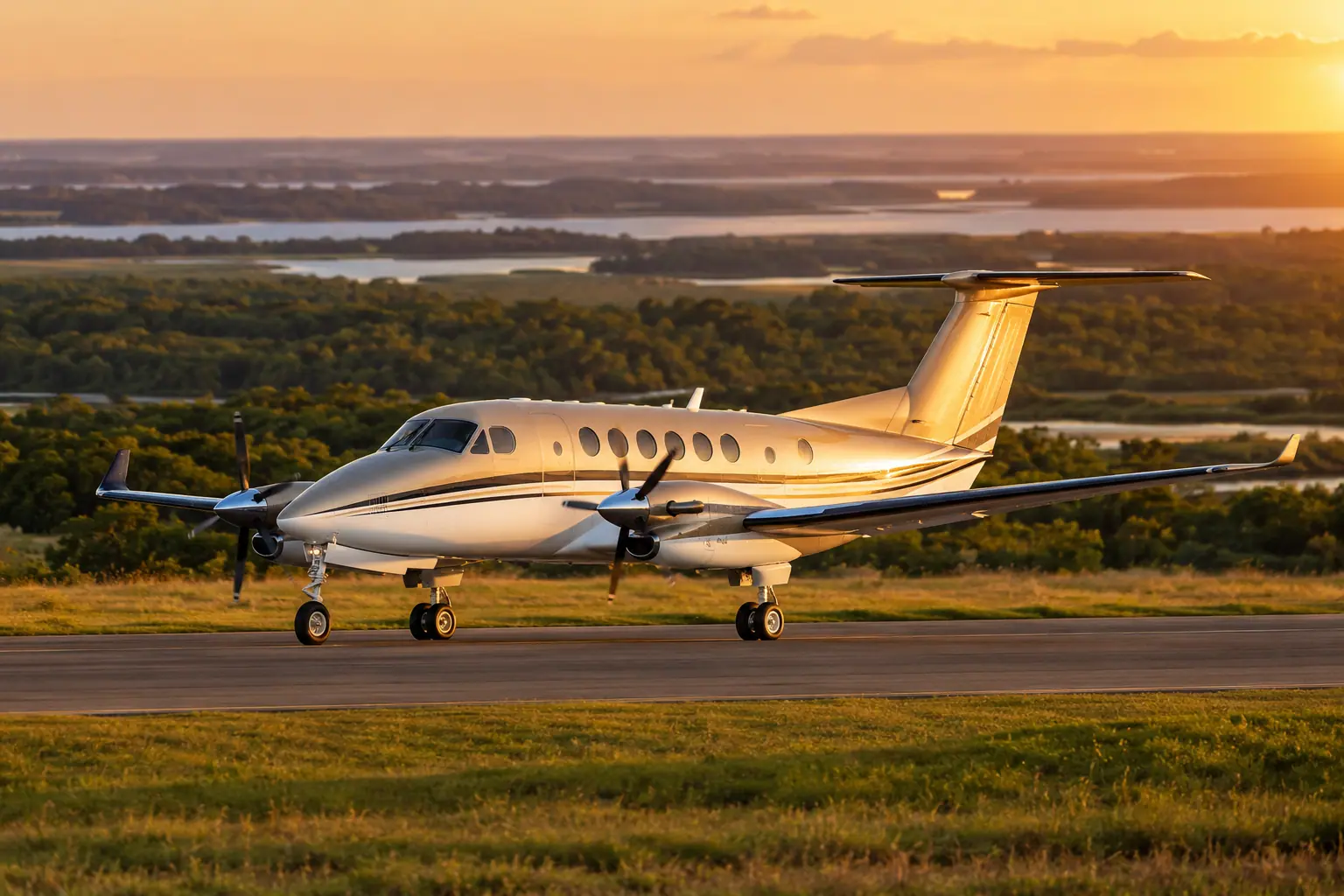
Empty leg Denver flights
Denver repositioning flights are one-way trips priced below standard charter. Centennial Airport sits at 5,885 feet, where July density altitude hits 9,200 feet. That shapes which aircraft fly and what you pay.
- Home
- Denver
Denver's repositioning market centers on Centennial Airport (KAPA), a field with a 10,001-foot runway and three FBOs. Empty leg Denver listings often appear when a jet repositions between the mountains and the West Coast, not when it moves through the airline terminal at DIA. Elevation is the local variable: at 5,885 feet, July density altitude reaches 9,200 feet, which can trim payload on light jets and turboprops on hot afternoons.
Common one-way routes run to Los Angeles, Las Vegas, Phoenix, and the Bay Area, plus ski-country fields in winter. Because each repositioning flight is one-way, the return is usually booked separately at full price unless another aircraft happens to fly the reverse direction. Operators file these trips as their schedules demand, so the list turns over daily and sometimes within hours.
Price tracks aircraft class and how close departure is. Turboprops range from $2,200 to $3,500 per hour; heavy jets run $9,500 to $14,500. Empty leg Denver deals favor travelers who can move on short notice with a flexible departure window. Summer afternoon departures at Centennial can be weight-limited, so morning flights sometimes carry more people and bags.
These flights are listed by brokers and flown by certificated operators. The broker acts as your agent under DOT Part 295; the operator holds the FAA Part 135 certificate and operational control. If your itinerary crosses into Canada or Mexico, then CBP clearance and passenger manifests apply. TSA screening depends on the operator and the aircraft.
Airports around Denver
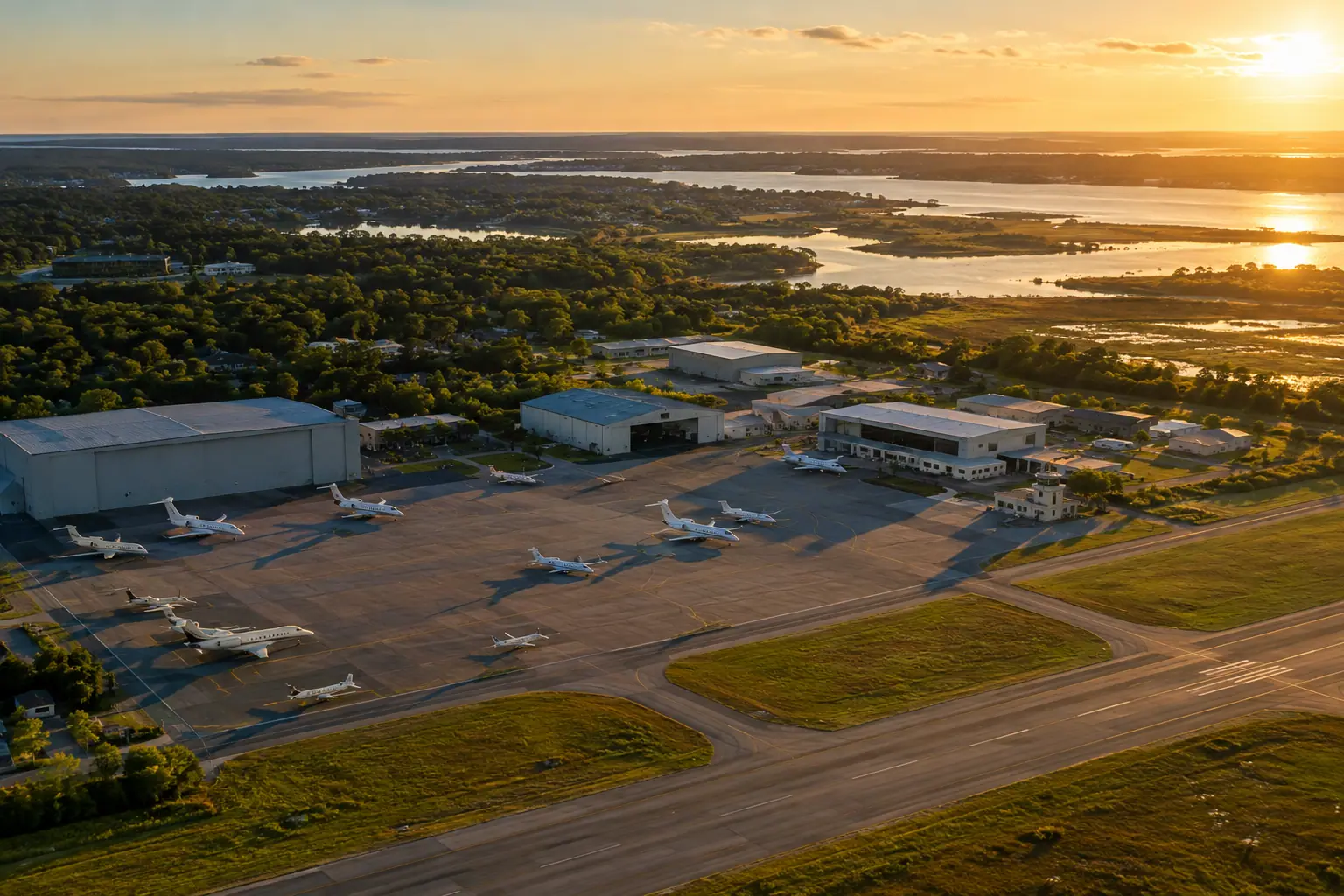
How to book an empty leg from Denver
Set a flexible window
Repositioning flights are one-way, so give yourself a 24- to 48-hour window around your date. The more flexible your schedule, the better your odds of matching a Denver empty leg.
Compare aircraft types
A light jet seats 4 to 7 and cruises near 430 knots; a midsize seats 7 to 9. At Centennial's 5,885-foot elevation, confirm the aircraft can carry your group and bags before you commit.
Confirm the operator's certificate
Ask for the operator's FAA Part 135 certificate number and confirm the broker is acting as your agent under DOT Part 295. That keeps responsibility for the flight with the certificated operator, not the broker.
Move fast and check inclusions
These flights can be booked within hours, so have payment ready. Ask what the estimate covers: taxes, segment fees, crew, and overnight costs. Prices stay estimates until the operator confirms the flight and crew availability.
Denver airports and conditions
Centennial Airport (KAPA) is the main business aviation field for empty leg Denver flights, with three FBOs: jetCenters of Colorado, Modern Aviation, and Signature Aviation - North. The 10,001-foot runway and 5,885-foot elevation mean density altitude reaches 9,200 feet in July and 9,800 feet at 115°F, which can limit fuel and baggage on a light jet. Denver averages about 5 wet days in January and 12 in May, so spring and summer storms can delay departures. If you are flying internationally, then confirm CBP processing at your specific field before booking, since not every Denver-area airport offers it.
| Month | High, avg | Wet days |
|---|---|---|
| Jan | 41°F | 5 |
| Feb | 41°F | 8 |
| Mar | 49°F | 8 |
| Apr | 59°F | 8 |
| May | 69°F | 12 |
| Jun | 83°F | 8 |
| Jul | 88°F | 6 |
| Aug | 87°F | 6 |
| Sep | 80°F | 6 |
| Oct | 67°F | 4 |
| Nov | 53°F | 5 |
| Dec | 46°F | 5 |
Estimate a trip
Choose a route, passenger count and bags. You will see the aircraft class that fits, the flight time and an estimated price range.

Questions
What is an empty leg Denver flight?
An empty leg Denver flight is a one-way repositioning trip where the aircraft flies without passengers after a drop-off or before a pickup. Brokers and operators list these flights, often below standard charter rates. Availability changes daily, and the trip is only confirmed once the operator accepts the booking and assigns a crew. Centennial Airport is the usual field.
How much does an empty leg from Denver cost?
Costs vary by aircraft: turboprops start around $2,200 per hour, light jets $3,800, midsize $5,200, super-midsize $7,200, and heavy jets $9,500. These are estimates, not quotes, and repositioning flights often price below these ranges because the aircraft is already flying. Ask what the estimate includes before you book.
Which airports serve empty leg Denver flights?
Centennial Airport (KAPA) is the primary field, with a 10,001-foot runway and three FBOs. Denver International handles some business aviation but fewer repositioning trips. Centennial's 5,885-foot elevation and July density altitude of 9,200 feet can affect aircraft performance. Confirm which airport your operator uses before booking.
When do most empty legs become available in Denver?
Most appear a few days to a few hours before departure, often after a one-way charter drops passengers in Denver or before a mountain pickup. If you can travel on short notice, then you have the best chance of matching a flight. Availability is not guaranteed and the list changes daily.
Can I book an empty leg for a group?
Yes, but capacity depends on aircraft class and conditions. A light jet seats 4 to 7, a midsize 7 to 9, and a heavy jet 10 to 14. At Centennial's 5,885-foot elevation, hot days can reduce payload, so confirm the operator can carry your group and bags before you commit.
Who operates the empty leg flight?
The flight is flown by an operator holding an FAA Part 135 certificate, and that operator keeps operational control. The broker acts as your agent under DOT Part 295 and does not operate the aircraft. Ask for the certificate number and confirm the broker's role in writing before you pay.