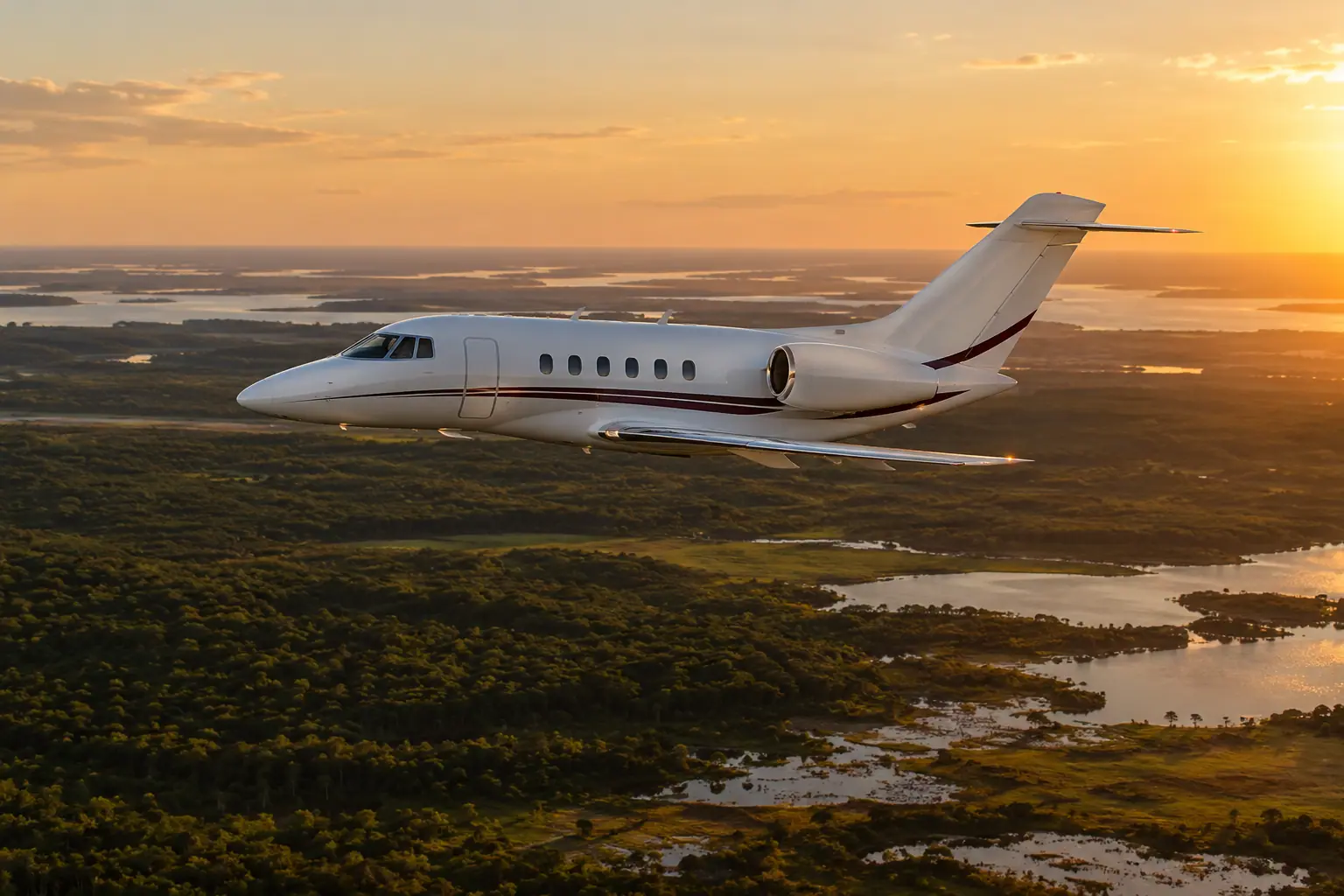
Empty leg Phoenix
Empty leg Phoenix flights are one-way repositioning trips sold at a discount. Deer Valley sits at 1,478 feet with an 8,196-foot runway. Most legs pop up a few days out.
- Home
- Phoenix
Phoenix is a repositioning market, not a destination hub. Empty leg Phoenix flights appear when a jet brings someone in and needs to leave without a paying return trip. Deer Valley (KDVT) on the north side is the busiest general aviation field here, with Cutter Aviation on the ramp and an 8,196-foot runway that handles midsize and super-midsize jets easily. Summer heat raises density altitude to about 5,400 feet at 115°F, which can trim payload on light jets and turboprops on the hottest afternoons, so operators sometimes move departures to early morning.
The routes that produce the most empty legs run toward Los Angeles, Las Vegas, San Diego and Denver, plus seasonal snowbird legs to Cabo and other Mexico points. One-way empty legs from Phoenix to Los Angeles show up most often on weekday mornings, when a jet that dropped a passenger the night before needs to get back to base. Las Vegas legs are shorter and cheaper; transcontinental repositioning to New York or Teterboro is rarer but can save the most when it appears.
What changes price and availability is timing, not negotiation. Empty leg charter flights every week are listed a few days to a few hours before departure, and the operator will fly the leg with or without you, so the price is already discounted from a standard one-way charter. Aircraft type matters: a turboprop at $2,200 to $3,500 per hour costs less than a heavy jet at $9,500 to $14,500 per hour, and the empty leg price scales down accordingly. If your dates are flexible, you widen the pool; if they are fixed, a standard charter or a one-way quote may be the only option.
Airports around Phoenix
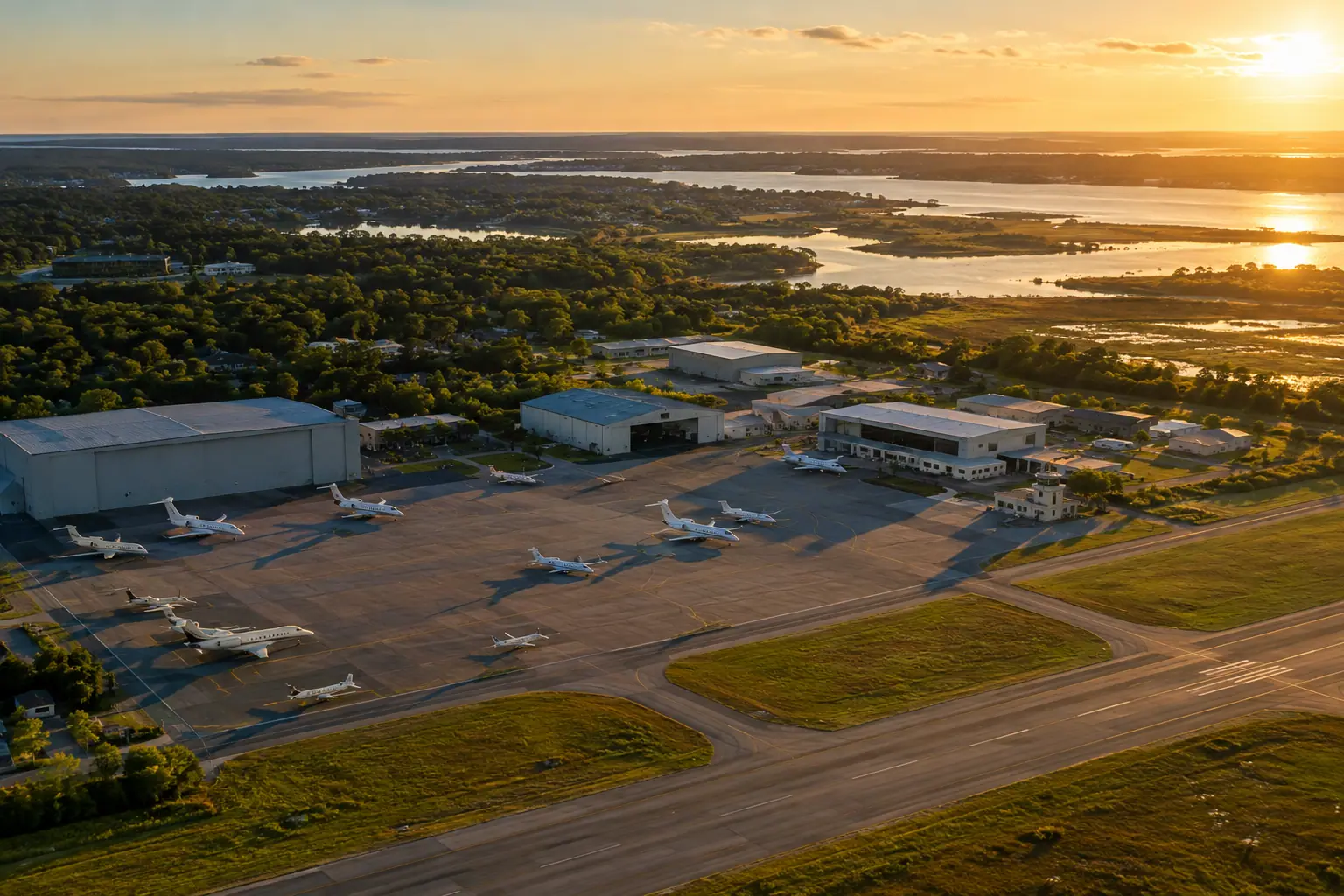
How to book an empty leg from Phoenix
Set a realistic window
Most legs open 24 to 72 hours before departure and close when sold. Tell us a range of two or three days and the airports you can reach, and we will watch for legs that fit rather than chase a single flight.
Name your airports
Deer Valley (KDVT) is the default on the north side, but legs can also depart from other Valley fields. If you can use more than one, you see more inventory, especially for light jets and turboprops.
Match the aircraft to the leg
A light jet seats 4 to 7 and covers about 1,400 nautical miles; a midsize seats 7 to 9 with 2,100 nautical miles of range. If the empty leg is on a larger aircraft than you need, you still pay the leg price, not the hourly rate.
Book through a broker who checks the operator
Charter brokers act as agents under DOT Part 295, and the flight itself is flown by an FAA Part 135 operator that holds operational control. Ask who the operator is and confirm the tail number before you pay.
Phoenix airports and timing
Deer Valley is at 1,478 feet and 8,196 feet of runway, which is enough for most midsize and super-midsize jets at typical weights. When July temperatures push density altitude to about 4,900 feet, then light jets and turboprops may face payload limits on the longest legs, and operators may schedule earlier departures. The Valley is dry from April through June, with just 1 wet day in each of those months, so weather delays are rare compared with monsoon season in July and August. If your empty leg departs from Deer Valley, plan for a short drive from central Phoenix and a quick ramp transfer; if it departs from another field, confirm the FBO and address before you leave.
| Month | High, avg | Wet days |
|---|---|---|
| Jan | 64°F | 5 |
| Feb | 69°F | 4 |
| Mar | 75°F | 4 |
| Apr | 85°F | 1 |
| May | 92°F | 1 |
| Jun | 103°F | 1 |
| Jul | 105°F | 4 |
| Aug | 103°F | 4 |
| Sep | 98°F | 3 |
| Oct | 88°F | 2 |
| Nov | 75°F | 2 |
| Dec | 66°F | 5 |
Estimate a trip
Choose a route, passenger count and bags. You will see the aircraft class that fits, the flight time and an estimated price range.

Questions
How far in advance do empty leg Phoenix flights appear?
Most empty leg Phoenix listings show up 24 to 72 hours before departure, and some appear the same day. The operator lists the leg once the inbound trip is confirmed and the aircraft needs to reposition. That short window is why flexibility matters: if you can move your travel by a day or two, you have a much better chance of catching a leg on a light jet or turboprop rather than paying for a standard charter.
What does an empty leg from Phoenix cost?
Pricing follows the aircraft's hourly rate but is discounted because the flight is already going. A turboprop runs $2,200 to $3,500 per hour and a light jet $3,800 to $5,800 per hour. A short leg to Las Vegas or Los Angeles on a light jet often prices below a standard one-way charter. Treat every quote as an estimate until the FAA Part 135 operator confirms it, since fuel and crew costs move.
Which airports serve empty leg Phoenix flights?
Deer Valley (KDVT) is the main general aviation field, with an 8,196-foot runway and Cutter Aviation on the ramp. Other Valley airports also see empty legs, so tell us which ones you can use. If you can depart from more than one, you will see more inventory, especially on light jets and turboprops that reposition between fields. Confirm the FBO and address when the leg is offered.
Can I book a one-way empty leg to Los Angeles or Las Vegas?
Yes. Empty legs are one-way by nature, since the aircraft is repositioning. Phoenix to Los Angeles and Phoenix to Las Vegas are the most common short legs, often on weekday mornings after a drop-off the night before. A light jet covers the distance easily. The price is for the leg, not the hour, so ask for the total before you commit and confirm the operator's name.
Does summer heat affect empty leg flights from Phoenix?
It can. At 115°F, density altitude at Deer Valley reaches about 5,400 feet, and in July it is around 4,900 feet. Higher density altitude reduces performance, so light jets and turboprops may face payload limits on longer legs. Operators sometimes move departures to early morning. If your leg is on a smaller aircraft in midsummer, ask about baggage and passenger limits when you book.
Who operates the flight and who is responsible?
The flight is flown by an FAA Part 135 operator that holds operational control, including the crew and aircraft. A charter broker acts as an agent under DOT Part 295 and arranges the trip but does not operate the aircraft. For international legs, CBP handles clearance on arrival. Ask for the operator's name and tail number before you pay, and confirm the cancellation terms in writing.