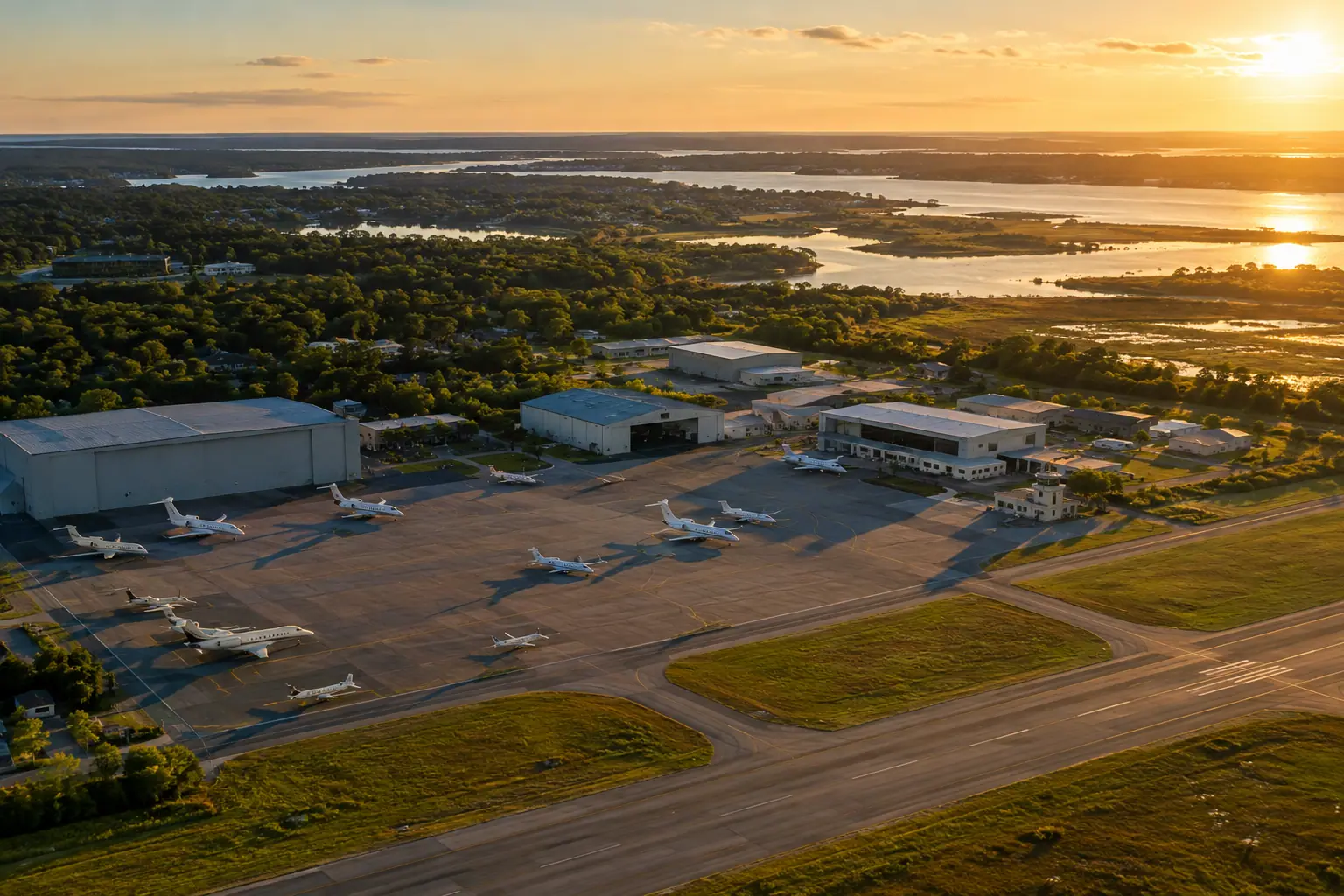
Empty leg Northeast Philadelphia
Empty leg Northeast Philadelphia trips are one-way flights an operator must move anyway. KPNE sits at 120 ft elevation with a 7,000 ft runway. The seat or cabin is priced below a typical on-demand charter.
Empty leg Northeast Philadelphia listings start with the field itself: KPNE, 120 ft above sea level, one 7,000 ft runway, and a single FBO. KPNE runs a 7,000 ft runway at 120 ft elevation, enough for most midsize jets heading out with full passengers on a cool morning. The airport handles general aviation traffic north of Center City, so you skip the terminal walk at PHL and drive straight to the ramp.
A repositioning flight exists because an aircraft has to fly from where it dropped a passenger to where it picks up the next one. Operators file these one-way legs to move jets back toward busy bases such as Teterboro, Boston, or the Florida airports, and they sell the flight at a fraction of the round-trip price. Treat every figure as an estimate until an operator confirms the aircraft, crew, and date.
The work here is matching. Repositioning legs appear on short notice and vanish once the aircraft gets another booking, so the useful move is comparing several at once instead of watching one. Most empty leg Northeast Philadelphia flights move one way, so plan the return as a separate booking on a standard charter or a scheduled airline. Brokers arrange the flight; the operator holds operational control and the certificate.
Runway length and performance at KPNE
Northeast Philadelphia Airport has one runway of 7,000 ft, elevation 120 ft, and that combination clears most light, midsize, and super-midsize jets on a normal day. A 7,000 ft runway at 120 ft elevation supports most midsize jets leaving Northeast Philadelphia with full passengers on a cool morning, with room to spare for a cross-country leg. Summer heat trims that margin, so the operator runs performance numbers per aircraft rather than per airport. If a heavy long-range type needs more strip, then it usually shows up as a departure from a longer field instead. That preference shapes which empty legs get listed here at all.
| Runway | Long | Broad | Surface |
|---|---|---|---|
| 06/24 | 7,000 ft | 100 ft | Asphalt |
| 15/33 | 4,999 ft | 150 ft | Asphalt |
Ground handling at Northeast
Atlantic Aviation is the FBO on the field at KPNE, handling ramp parking, fueling, and passenger handoff for private and charter flights. Atlantic Aviation is the only FBO at Northeast Philadelphia, so ground stops happen on one ramp and your driver meets you at a single address. That makes pickup simple and also means ramp congestion at peak times is worth asking about before you book a car.
Ask the operator or broker which side of the field you arrive on. Some repositioning flights turn quickly and the crew may want passengers aboard within a short window, so arriving early costs nothing. If your driver has the FBO name in hand, then nobody loops the field looking for the right gate.
Who empty legs from KPNE suit
- Travelers heading to Florida, Chicago, or Texas who can move on a day or two of notice
- Parties of two to eight flying one way and booking the return separately
- Philadelphia-area fliers who want to avoid the PHL terminal and park at the ramp
- Anyone comparing several repositioning legs at once instead of chasing a single aircraft
| Class | Typical runway need | Here |
|---|---|---|
| Turboprop | 3,300 ft+ | Okay |
| Light jet | 4,000 ft+ | Okay |
| Midsize jet | 5,000 ft+ | Okay |
| Super-midsize jet | 5,200 ft+ | Okay |
| Heavy jet | 5,600 ft+ | Okay |
Density altitude and weather by season
KPNE sits at 120 ft elevation, so summer density altitude stays low by national standards: about 2,000 ft in July and a 2,500 ft peak at 115F. Northeast Philadelphia sees July density altitude near 2,000 ft, which barely affects jet performance compared with mountain airports, though turboprops and light jets still lose climb rate in the heat. January density altitude runs about 1,100 ft below sea level, which is the opposite effect and helps short-field departures.
Rain is the bigger seasonal factor than heat. Wet days run 13 in July and drop to 8 in November, and winter weather can slow deicing and ramp flow. If a winter storm is forecast, then build a buffer into the departure time, because deicing queues on a single-FBO field can stretch. Summer afternoon thunderstorms are the other common delay, usually brief. When the ramp is wet and traffic stacks up, then a midday departure window often beats an evening one.
| Month | High, avg | Wet days | DA value |
|---|---|---|---|
| Jan | 41°F | 10 | -1,100 ft |
| Feb | 45°F | 11 | -800 ft |
| Mar | 52°F | 11 | -300 ft |
| Apr | 63°F | 12 | 400 ft |
| May | 73°F | 11 | 1,100 ft |
| Jun | 82°F | 11 | 1,700 ft |
| Jul | 87°F | 13 | 2,000 ft |
| Aug | 85°F | 12 | 1,900 ft |
| Sep | 78°F | 10 | 1,400 ft |
| Oct | 67°F | 9 | 700 ft |
| Nov | 55°F | 8 | -100 ft |
| Dec | 46°F | 10 | -700 ft |
Getting to Northeast Philadelphia
KPNE sits in Northeast Philadelphia, close to I-95 and the Route 1 corridor, which puts Center City, Bucks County, and South Jersey within a reasonable drive. Drivers reach Northeast Philadelphia Airport from Center City via I-95 in normal traffic and continue straight to the Atlantic Aviation ramp. Ride-share and car service both work; confirm the FBO name with your driver so nobody loops the field. For international legs, CBP clearance is arranged in advance, and the operator will tell you which airport handles it. If your trip crosses a border, then allow extra time for that clearance step.
Private jet routes via Northeast Philadelphia
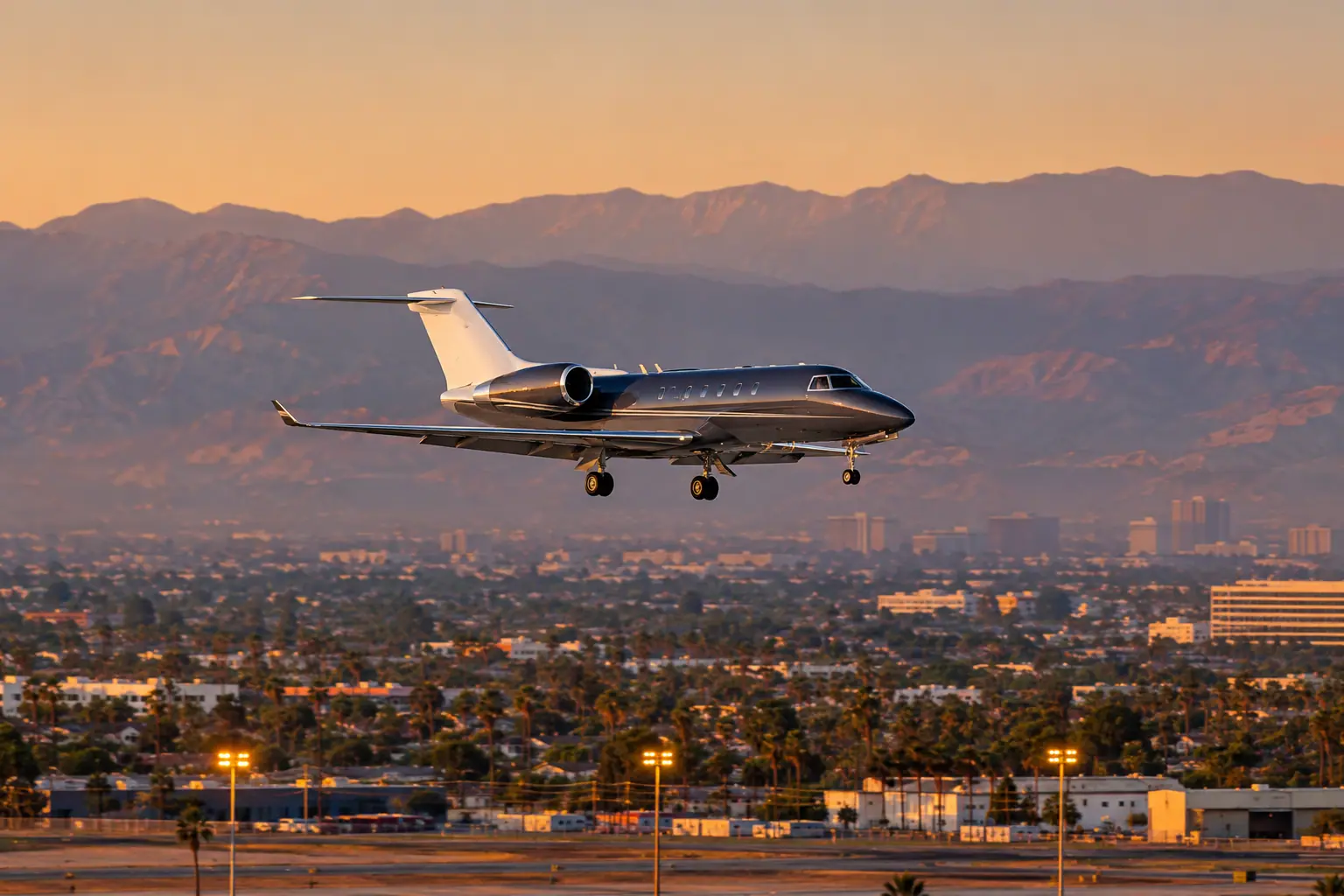
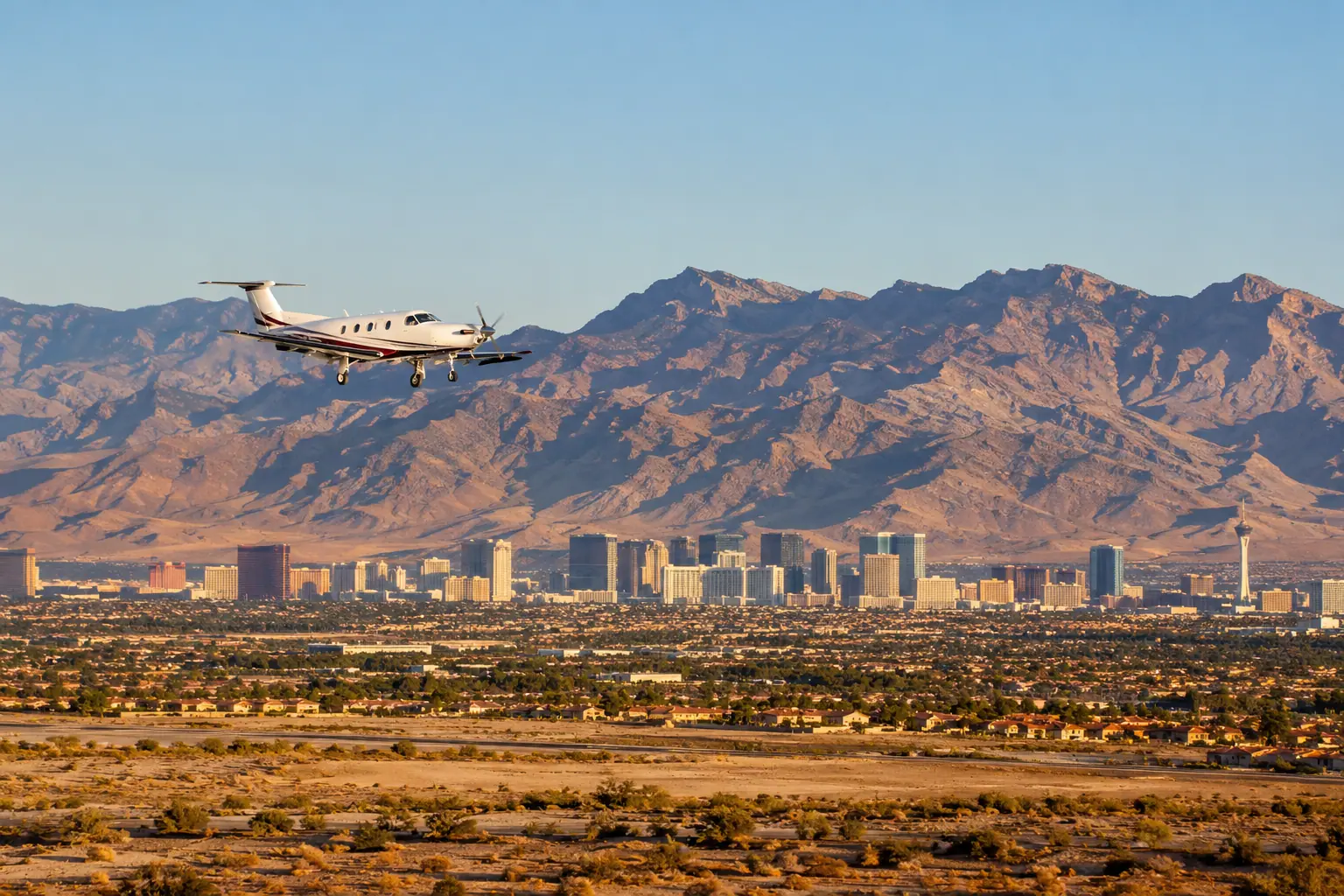
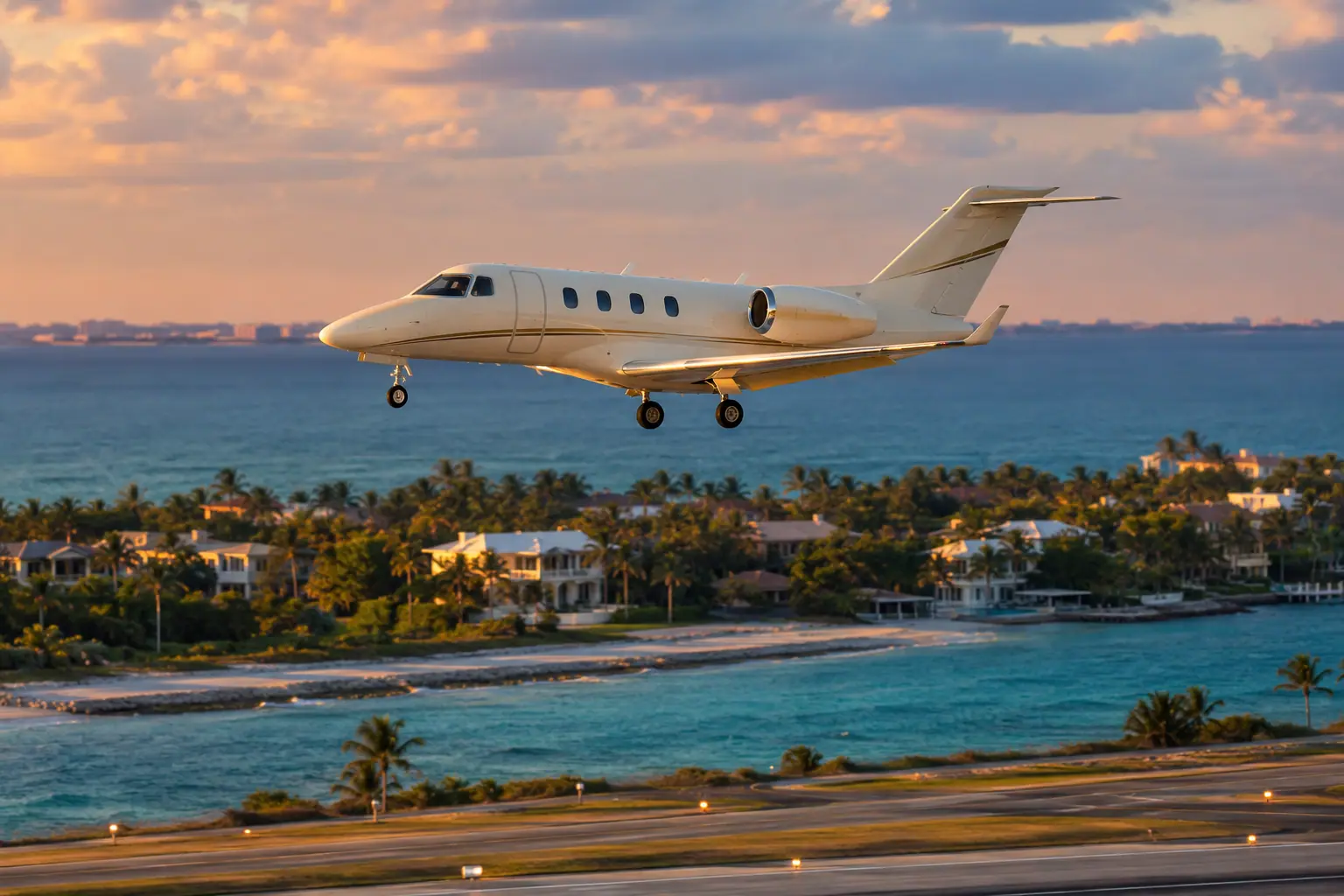
These 6 private jet routes span 199 to 2,129 nautical miles; one-way light jet estimates run $4,000 to $36,000.


Questions about this airport
What is an empty leg Northeast Philadelphia flight?
It is a one-way repositioning flight out of KPNE, elevation 120 ft, that an operator must fly anyway and sells at a reduced rate. The aircraft is moving to its next pickup, so the price sits below a standard charter. Treat every figure as an estimate until an operator confirms aircraft, crew, and date. These flights appear on short notice and disappear once claimed.
How much does an empty leg from Northeast Philadelphia cost?
There is no fixed rate; the price depends on the aircraft type, the distance, and how soon the leg departs. Operators discount because the flight is already scheduled. Treat every quoted figure as an estimate until confirmed in writing, and compare two or three legs before choosing. A one-way return booked separately is usually a standard charter at full rate.
Can I fly one way from KPNE and return on a normal charter?
Yes. Most repositioning legs move one way, so plan the return as its own booking. Ask for a one-way price on a standard charter for the trip home, or use a scheduled airline. If you book both directions early, then you get more aircraft choices and avoid depending on a flight another party may claim first.
Which airports do empty legs from Northeast Philadelphia usually serve?
Common directions are toward busy business-aviation bases: Teterboro at 9 ft elevation with four FBOs, Hanscom Field near Boston with four, and the Florida fields. Distance matters less than where the aircraft is needed next. If your destination is flexible, then more legs become usable, so tell the broker a range of acceptable airports rather than a single one.
Does summer heat at KPNE affect which jets can use an empty leg?
Barely at this elevation. July density altitude is about 2,000 ft and the 115F peak is around 2,500 ft, low enough that most jets keep full performance. Light jets and turboprops lose some climb rate. The operator runs its own performance numbers per aircraft, and a 7,000 ft runway leaves margin for most types.
Who is responsible for the flight if I book through a broker?
The operator flying the leg holds operational control and the FAA Part 135 certificate; the broker acts as your agent under DOT Part 295 and arranges the flight. Ask for the operator's name before you pay. For international legs, CBP handles clearance and the operator coordinates it. If you cross into another country, then confirm the clearance airport in advance.
How far ahead should I book an empty leg out of KPNE?
These legs surface on short notice, often days before departure, and the useful window is usually under a week. The 7,000 ft runway and 120 ft elevation mean most midsize types can operate, so the constraint is calendar, not airfield. If your dates are fixed, then line up a standard one-way charter as a backup before committing.